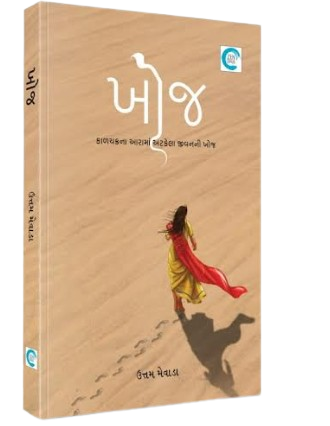
Many generations of villagers have grown up watching the snake charmer's flute playing and the spectacle of snakes. If a snake charmer does not visit a city or village on Nagpanchami, the sight of the snake god is rare. Many Hindi films have used the tune of this flute to entertain people in a modern form through flute playing and snake dancing. We have seen many men and women dancing like snakes on every happy occasion when the sound of the flute is played. Today, the shows of snakes and monkeys have been stopped under the government's Wildlife Protection Act, according to a law. Therefore, the unused flute-bin instrument has also become useless and broken. This snake charmer is still in the same state in the twenty-first century, a nomadic, wandering, itinerant tribe. The only difference is that he now has neither a snake nor can he play the flute to make the snake dance. He could not study, he wandered his whole life, generation after generation, his kind is indeed nomadic! Devraj's young second wife, Urvashi, who challenges the evils of the world, gets caught in the clutches of the law and goes to jail. Her livelihood has been snatched away by a section of a law. And with another section of the law, you could say that the rhythm of her life has been lost. The tune is lost. The struggle of a poor person to get back that lost tune in life, that search, is the story of this novella 'Khoj'.